About
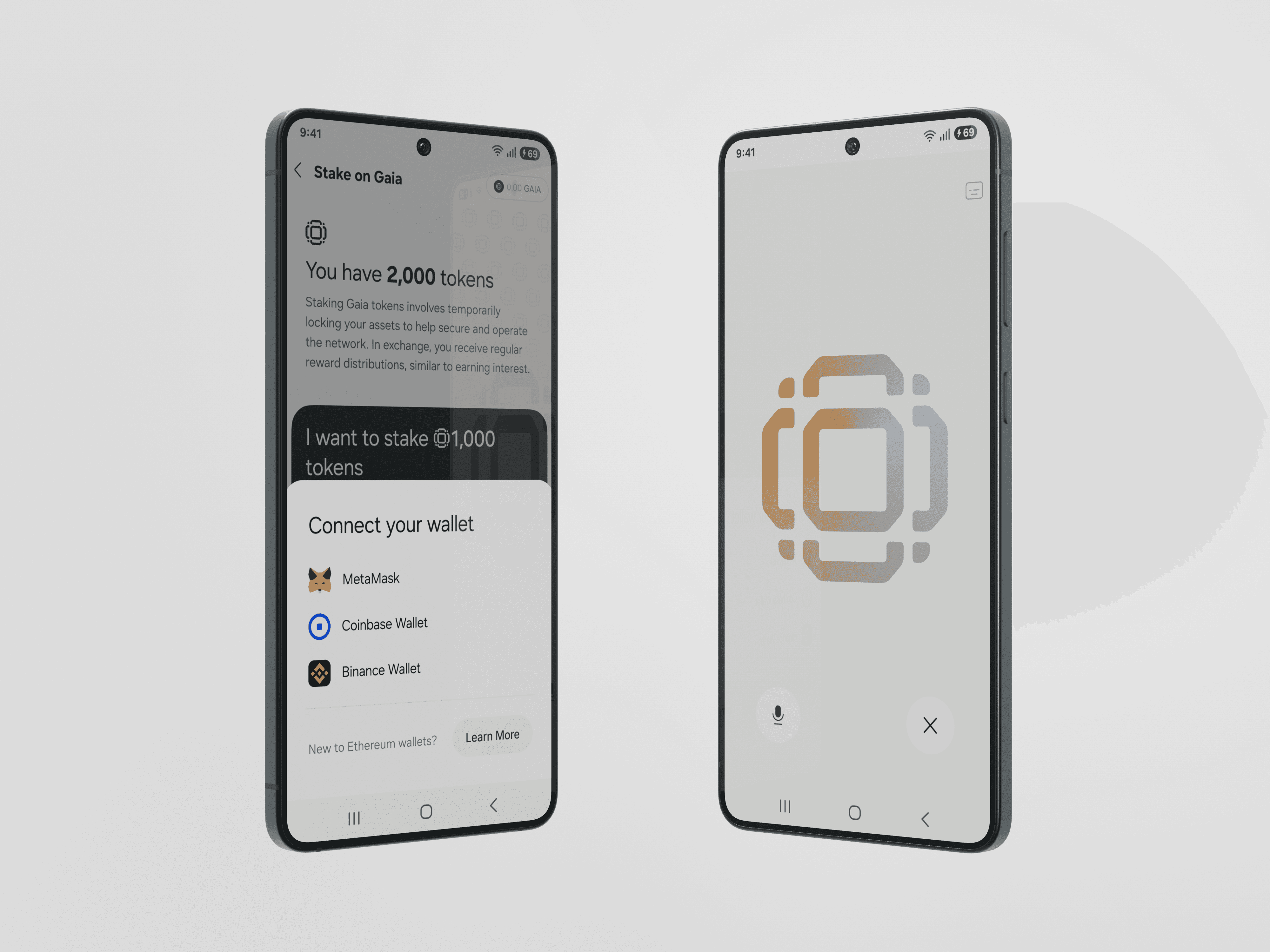
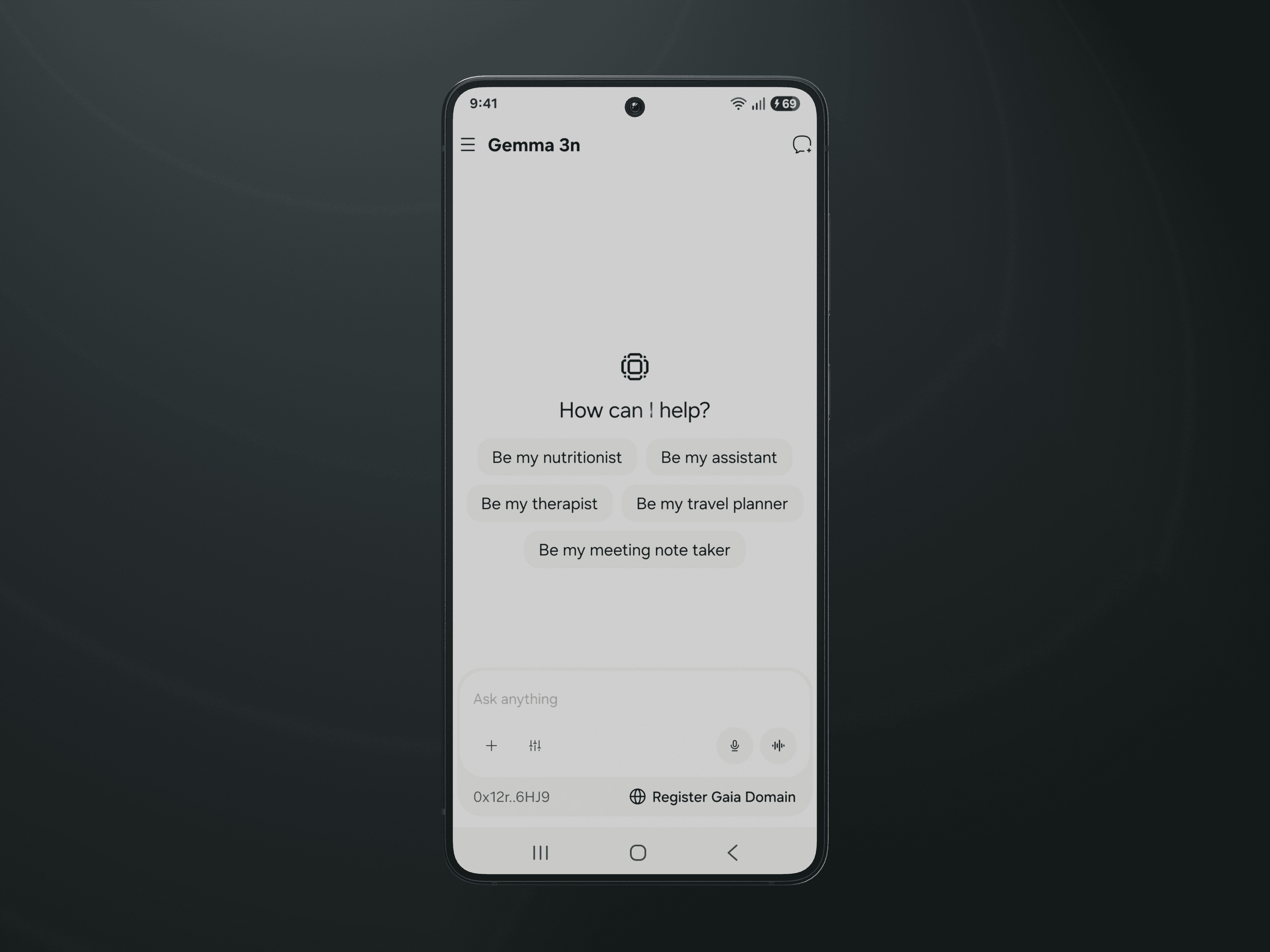
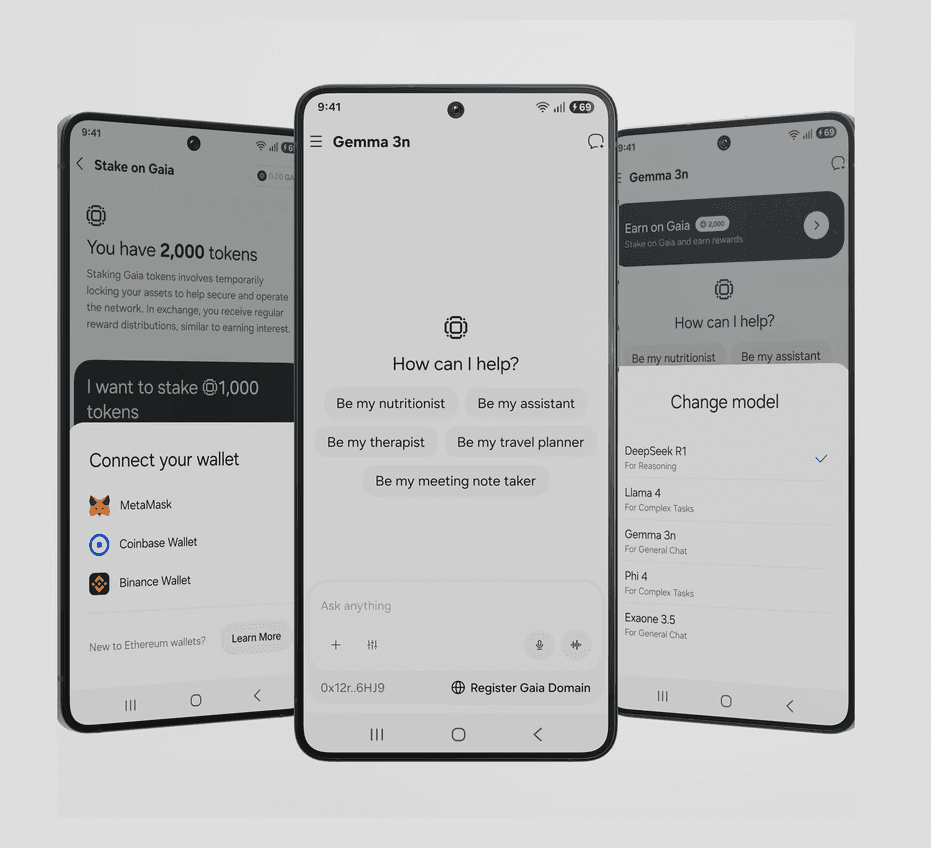
As AI moved from cloud-only tools to on-device experiences, Samsung saw an opportunity to rethink how intelligence could live directly on consumer hardware. The goal wasn’t to ship another AI feature—it was to explore what happens when users own their AI, their data, and the execution environment itself. Working with Gaia, Samsung used the phone as a proof point for a broader idea: AI that runs privately, verifiably, and locally—without sacrificing performance or usability. The project focused on demonstrating how decentralized AI infrastructure could be translated into a real, consumer-grade product experience.
The breakthrough was reframing the phone itself as the message.
Rather than marketing “AI features,” we positioned the device as a reference implementation—proof that private, user-owned, verifiable AI could run on everyday hardware. The phone wasn’t the product; it was the evidence.
By anchoring the story around ownership, privacy, and execution—rather than models or specs—we gave Samsung a way to talk about AI that felt grounded, credible, and future-forward. This shifted the conversation from what AI can do to how AI should work.